25 Jun 2026
UK Gambling Commission Rolls Out Sweeping 2026 Reforms for Online Casinos and iGaming

The UK Gambling Commission has introduced a series of structural reforms that reshape online casino operations and the broader iGaming sector throughout 2026, and these measures center on a 40% Remote Gaming Duty, tighter stake limits on slots, a full prohibition of mixed-product bonuses, and frictionless financial risk checks designed to strengthen player safeguards while targeting illegal offshore platforms.
Regulators developed these updates after extended consultations with industry participants, and the package addresses long-standing concerns around transparency, fairness, and consumer protection in a market that continues to expand rapidly. Observers note that the reforms arrive at a time when digital gambling participation remains high, prompting authorities to recalibrate rules that balance commercial activity with responsible oversight.
Core Elements of the Regulatory Package
Under the new framework the Remote Gaming Duty rises to 40%, a figure that directly affects operator margins and requires fresh financial planning across licensed sites. This duty adjustment applies uniformly to remote gaming activities, and companies must integrate the change into their pricing models while maintaining compliance with existing tax obligations. Data from regulatory filings shows that such duty increases historically influence how operators structure promotions and game offerings, yet the Commission maintains that the measure supports sustainable industry growth.
Stake limits on slots receive tighter caps that reduce maximum bet amounts per spin, and these restrictions aim to limit exposure for players who prefer high-volatility games. The Commission has specified that these limits will apply across all licensed remote slots, creating a standardized environment where operators cannot offer unlimited staking options. Researchers tracking player behavior indicate that lower stakes often correlate with extended session times rather than larger individual wagers, which may shift how certain titles perform under the revised rules.
Ban on Mixed-Product Bonuses and Risk-Check Protocols
A complete ban on mixed-product bonuses eliminates the practice of combining different bonus types across casino and sports betting products within a single promotion, and this rule prevents operators from bundling incentives that previously obscured terms and conditions. The prohibition forces clearer separation between bonus categories, which in turn requires marketing teams to redesign campaigns so that each offer stands alone and meets explicit disclosure standards. According to the Commission, this change reduces confusion that has occasionally led players to misunderstand wagering requirements or eligibility criteria.
Frictionless financial risk checks introduce automated verification processes that assess player spending patterns without creating noticeable interruptions during gameplay, and these checks rely on real-time data feeds to flag potential issues before they escalate. Licensed operators must integrate the necessary technology, while the Commission provides guidance on acceptable thresholds and data-handling practices. The system seeks to maintain player privacy while delivering timely interventions when risk indicators appear.
Labeling Requirements and June 2026 Milestones
Certain provisions, including new labeling requirements for bonus terms and game information, take effect around June 30, 2026, giving operators a defined window to update interfaces and marketing materials. These labels must appear clearly separated and differentiated from surrounding content, ensuring that players encounter transparent details about wagering contributions, expiration dates, and game restrictions before engaging with any promotional offer. Compliance teams across the sector are already mapping out the necessary software adjustments to meet this deadline.
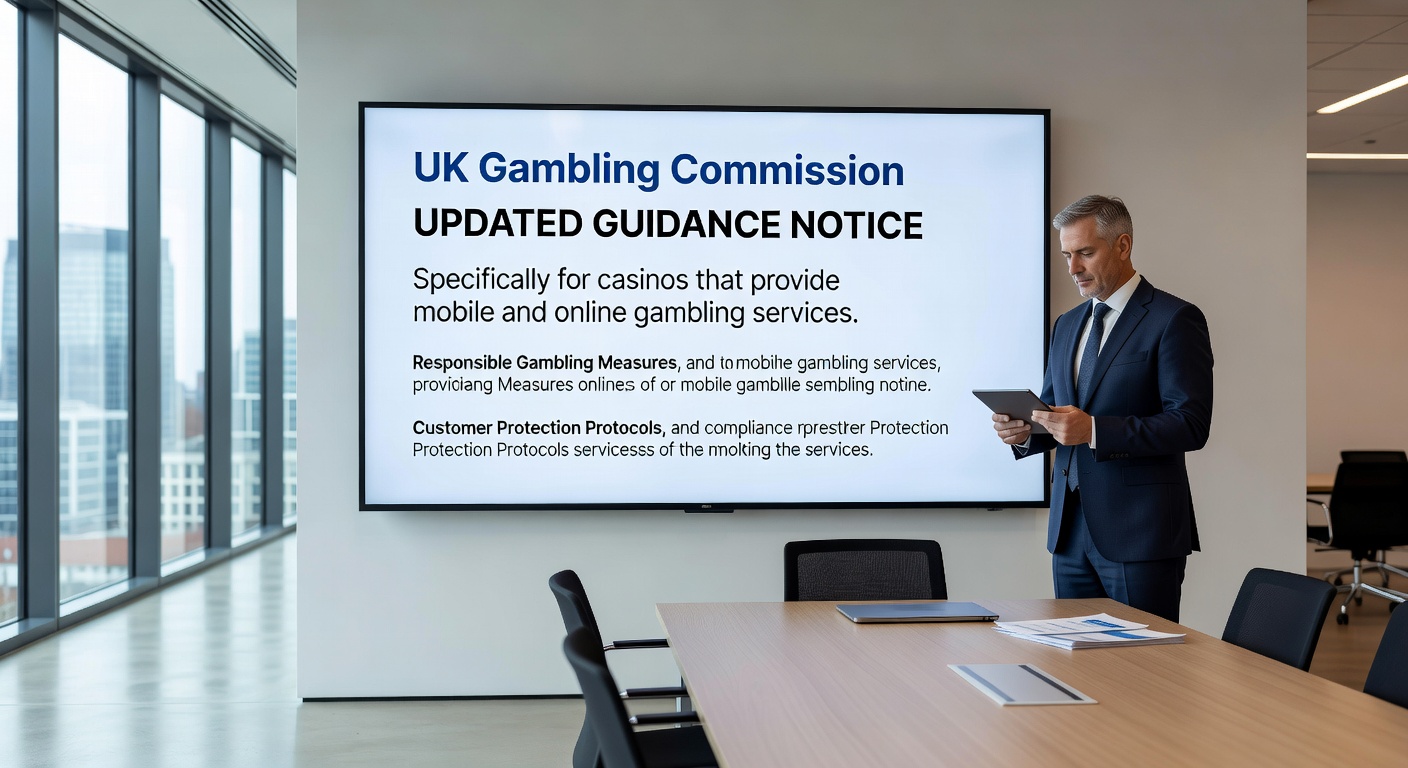
The June 30 date also aligns with broader efforts to standardize how operators present information about game mechanics and bonus structures, and early guidance from the Commission encourages firms to conduct internal audits well in advance. Companies that delay these updates risk enforcement actions once the provisions become active, which could include fines or temporary license suspensions.
Efforts to Address Illegal Offshore Operators
Alongside domestic rule changes the reforms target illegal offshore sites that operate without UK licenses, and authorities have increased coordination with payment processors and internet service providers to restrict access to unlicensed platforms. The Commission reports that these collaborative measures have already reduced traffic to certain offshore domains, although complete eradication remains an ongoing challenge. Data indicates that clearer consumer messaging about licensed versus unlicensed sites forms part of the wider strategy to steer players toward regulated environments.
Operators who hold UK licenses must now demonstrate enhanced due diligence when onboarding new customers, and this includes verifying that marketing does not inadvertently direct traffic toward prohibited jurisdictions. The regulatory body continues to publish lists of approved licensees, allowing players to confirm legitimacy before depositing funds.
Industry Adaptation and Compliance Pathways
Many licensed operators have begun adjusting their product portfolios to accommodate the stake limits and bonus restrictions, while software providers update game engines to enforce the new caps automatically. Financial departments are recalculating duty liabilities under the 40% rate, and some firms have revised projected revenue forecasts accordingly. The Commission has stated that it will monitor implementation closely through regular reporting requirements and periodic audits.
Player advocacy groups have welcomed the emphasis on frictionless risk checks, noting that seamless integration reduces the likelihood of players bypassing safeguards. At the same time, industry representatives highlight the need for clear technical specifications so that smaller operators can implement the required systems without disproportionate costs. The Commission has scheduled a series of webinars and guidance documents to assist with these transitions.
Conclusion
The 2026 reforms represent a coordinated attempt by the UK Gambling Commission to modernize oversight of the online casino and iGaming sectors through duty adjustments, stake restrictions, bonus prohibitions, and automated risk monitoring. With key labeling provisions scheduled for late June 2026, operators face a clear timeline for achieving full compliance. Those who track developments at the Gambling Commission will find ongoing updates on technical standards and enforcement priorities as the year progresses.