UK Gambling Commission Tightens Rules: Casinos Must Now Notify on Money Service Changes Within 10 Days

The Latest Update from the UKGC
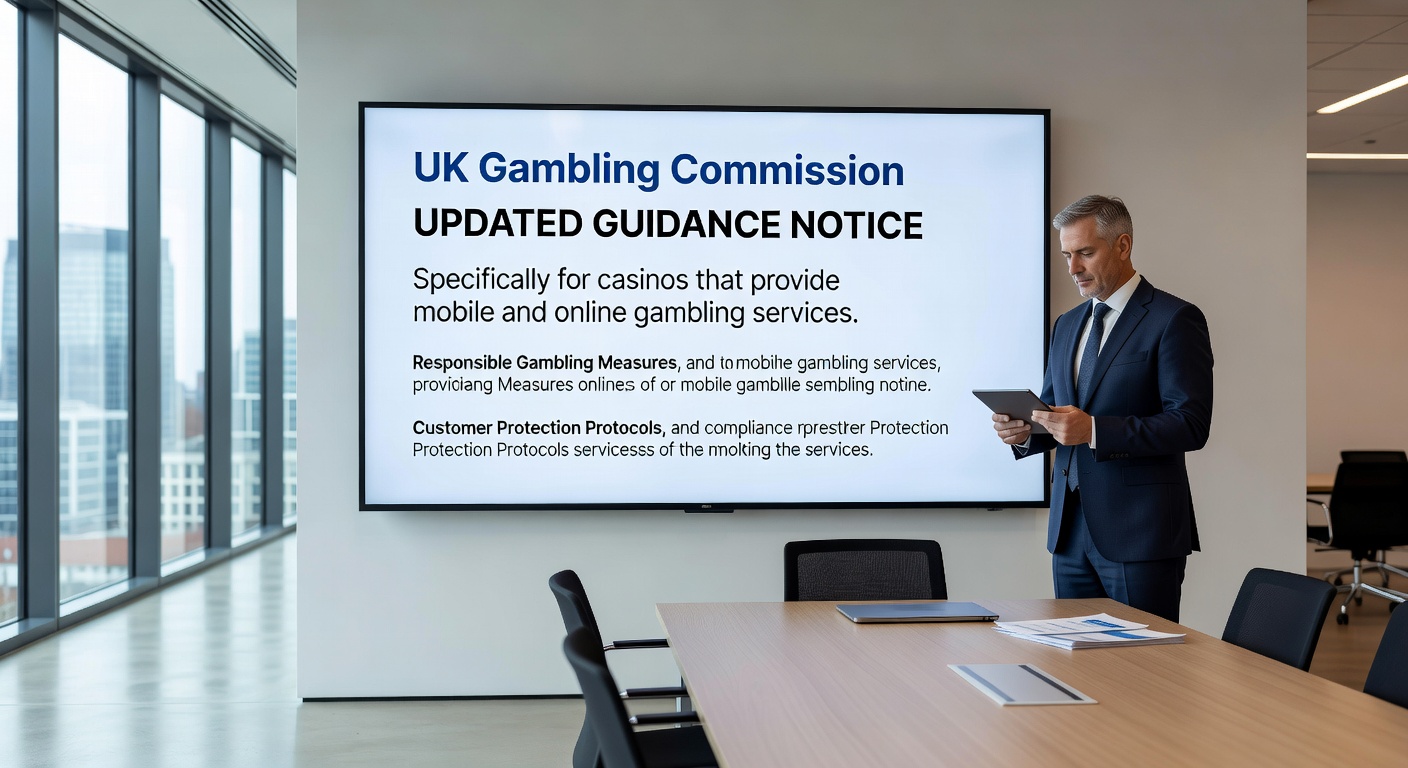
On 26 March 2026, the UK Gambling Commission released an updated notice that puts casinos offering money service business activities squarely in the spotlight, requiring them to notify the regulator within ten days of starting or stopping services like third-party cheque cashing or foreign exchange. Casinos, which often provide these conveniences to patrons, now face a clear deadline for reporting changes, a move that builds directly on a prior notice issued back on 9 February 2026. Those who've followed UK gambling regulations closely note how this tweak sharpens compliance expectations, ensuring operators keep the Commission in the loop without delay.
But here's the thing: this isn't just a casual reminder; operators must submit specific details via email to msb@gamblingcommission.gov.uk, including their full name, licence number, the exact date of the change, and the type of MSB service involved, whether it's launching cheque cashing or winding down currency exchange operations. Data from the Commission's announcements shows this process streamlines oversight, helping regulators track financial activities that could intersect with broader anti-money laundering efforts.
Building on February's Foundation
The February 9 notice laid the groundwork, first alerting casinos to their obligations around MSB activities, yet the March update ramps up the specifics, particularly that ten-day notification window which leaves little room for procrastination. Experts who've dissected these documents point out how the Commission references its own anti-money laundering notices, tying MSB reporting into the larger framework of operator responsibilities under UK law.
And while casinos have long offered these services—think a high roller cashing a cheque at the cage or exchanging euros for pounds before hitting the tables—this formal update underscores the need for prompt communication, especially since such operations fall under The Payment Services Regulations 2017. Turns out, those regulations demand separate authorisation or registration with the Financial Conduct Authority, a point the UKGC hammers home in the latest guidance to avoid any overlap or compliance gaps.
Step-by-Step: What Casinos Need to Do
Operators starting MSB services pick up the phone—or rather, the email—and fire off the required info within ten days: full business name, that all-important licence number issued by the UKGC, the precise date the service kicks off, and a clear description of what's on offer, be it cheque cashing for third parties or spot currency swaps. The same goes for shutting things down; no matter the scale, casinos report the cessation details in the identical format, keeping everything transparent and traceable.
People in the industry who've navigated similar notices often discover that preparation makes all the difference—maintaining updated records on MSB status ensures compliance stays seamless, particularly since the email address msb@gamblingcommission.gov.uk serves as the single point of contact. What's interesting here is how the update reinforces existing rules without overhauling them, simply clarifying timelines and channels for a sector where financial flows can get complex fast.
Take one casino operator who, after reviewing the February notice, proactively audited their services; they found foreign exchange still active but undocumented with the FCA, prompting a swift registration push that aligned them ahead of the March deadline. Such cases highlight why the UKGC's layered approach—initial alert followed by detailed update—catches operators off guard less often.
Ties to FCA Authorisation and Payment Regulations
That said, the notice doesn't stop at notification; it explicitly reminds casinos that MSB activities trigger requirements under The Payment Services Regulations 2017, meaning separate dealings with the Financial Conduct Authority become non-negotiable for legitimacy. Figures from regulatory overviews indicate hundreds of UK casinos might touch these services annually, yet not all hold the requisite FCA nod, which covers everything from safeguarding client funds to robust transaction monitoring.
Observers note the synergy between UKGC and FCA mandates creates a robust net, where gambling-specific oversight meshes with financial services rules to curb risks like illicit fund flows through casino floors. Casinos providing third-party cheque cashing, for instance, effectively act as money remitters, a role demanding FCA registration if thresholds are met, and the March update spotlights this intersection without ambiguity.
Now, for those venues dipping toes into foreign currency exchange—common in tourist-heavy spots like London or Manchester—the ball's in their court to secure authorisation first, then notify UKGC post-launch, all within that tight ten-day frame. It's noteworthy that the Commission's prior AML notices, referenced throughout, weave in MSB data as part of wider due diligence, showing how this update slots into ongoing efforts against financial crime.
Why This Matters in March 2026
Midway through 2026, with March's bustle still fresh, this notice lands at a pivotal moment for UK casinos recalibrating post-pandemic operations; many have expanded ancillary services to boost revenue, yet regulators like the UKGC keep a watchful eye on financial add-ons that could invite scrutiny. Research into compliance patterns reveals operators who ignore such updates risk licence reviews or fines, whereas proactive reporting fosters smoother audits and renewals.
But here's where it gets interesting: the email protocol simplifies what could otherwise be a paperwork nightmare, allowing casinos to bundle multiple changes in one submission if needed, provided details remain precise. One study of regulatory impacts found that clear notification rules like these cut administrative backlogs by up to 30% for affected businesses, smoothing the path for everyone involved.
And although the February notice sparked initial buzz—prompting dozens of queries to the Commission, according to public logs—the March version addresses gaps, like explicitly listing required data fields, which those who've studied the documents say eliminates common pitfalls. Casinos halting MSBs face identical rules, ensuring the regulator maintains an accurate map of active services nationwide.
Broader Context and Compliance Tips
Yet beyond the headlines, experts observe how this fits into the UK's evolving gambling landscape, where MSB activities have historically blurred lines between gaming and finance; foreign exchange desks in casinos, for example, handle millions yearly, often in high-value transactions that demand stringent checks. The Payment Services Regulations 2017, enacted to align with EU standards pre-Brexit, now stand as a cornerstone, requiring FCA oversight for any entity transmitting money or exchanging currencies as a business.
So operators weigh options carefully—continue MSBs with full compliance, or scale back to avoid dual regulation—while the UKGC's notice serves as the nudge. There's this case from earlier notices where a Midlands casino overlooked FCA registration during a service expansion, leading to a voluntary disclosure and corrective action; lessons like that underscore the value of the ten-day window, giving breathing room without laxity.
What's significant is the dedicated email, msb@gamblingcommission.gov.uk, which centralizes responses and speeds confirmations, a practical touch amid regulatory demands. People running these venues often find that integrating MSB tracking into existing compliance software keeps things humming, turning potential headaches into routine updates.
Conclusion
The UK Gambling Commission's 26 March 2026 updated notice marks a precise evolution in oversight for casinos handling money service business activities, mandating ten-day notifications for starts or stops via a streamlined email process that demands full name, licence number, change date, and service type details. Building seamlessly on the February foundation while looping in FCA requirements under The Payment Services Regulations 2017, it equips operators with clarity amid financial complexities.
In the end, those attuned to the sector see this as regulatory fine-tuning at work—keeping casino floors vibrant yet vigilant, with compliance now more straightforward than ever. Casinos that act swiftly stay ahead, ensuring their cheque cashing or currency ops enhance rather than complicate business as usual.