9 Jul 2026
The Mechanics of Carrier Payments in Sustaining Live Gaming at Alternative Licensed Platforms
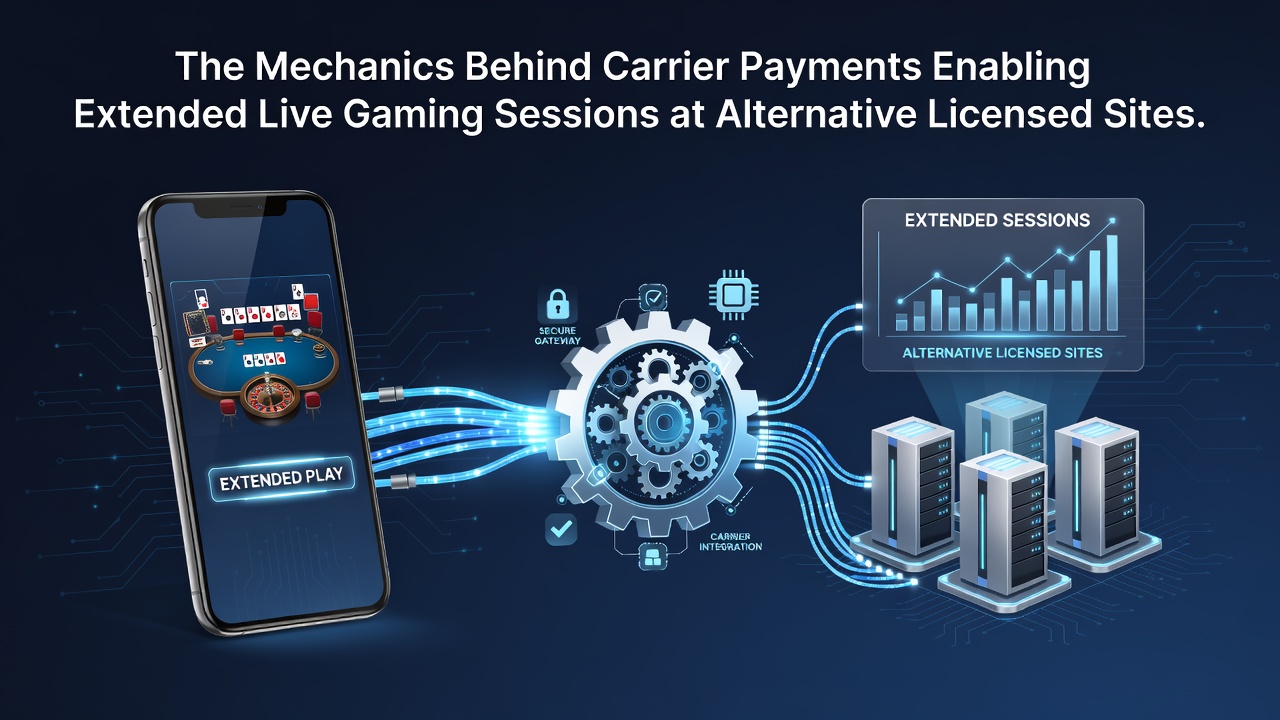
Carrier payments operate through direct billing agreements between mobile network operators and gaming platforms, allowing users to fund accounts via SMS confirmation or app-based authorization without traditional banking intermediaries. This system processes transactions by adding charges to monthly phone bills or deducting from prepaid balances, which creates a seamless loop for repeated deposits during live dealer sessions at sites licensed in jurisdictions such as Curacao or Anjouan.
Core Technical Flow of Carrier Billing Integration
Platforms establish API connections with carriers like those operating in Europe and North America, where authentication occurs through short code messaging that verifies user consent before any funds transfer. Data packets containing transaction details travel encrypted between the carrier's billing server and the platform's payment gateway, updating account balances in real time so players can extend table sessions without interruption. Observers note that this architecture reduces latency compared to card processing, since carrier systems handle verification internally rather than routing through external acquirers.
Session continuity benefits emerge because players avoid re-entering payment credentials mid-game, and the billing cycle aligns with carrier statements that consolidate charges alongside voice and data usage. Research from the International Telecommunication Union indicates mobile payment volumes in digital entertainment sectors grew steadily through 2025, with carriers reporting higher adoption rates among users seeking quick access to interactive content.
Role in Prolonged Live Dealer Interactions
Live gaming environments demand constant availability, and carrier methods support this by permitting incremental top-ups during ongoing rounds of blackjack or roulette streamed from remote studios. Players receive instant confirmation texts that authorize further play, while the platform's backend logs each increment against session timers to maintain compliance with jurisdictional limits on continuous wagering. Those who study payment adoption patterns have documented cases where users extended sessions by 45 minutes or more when switching from card declines to carrier options, because the latter bypass daily banking thresholds.
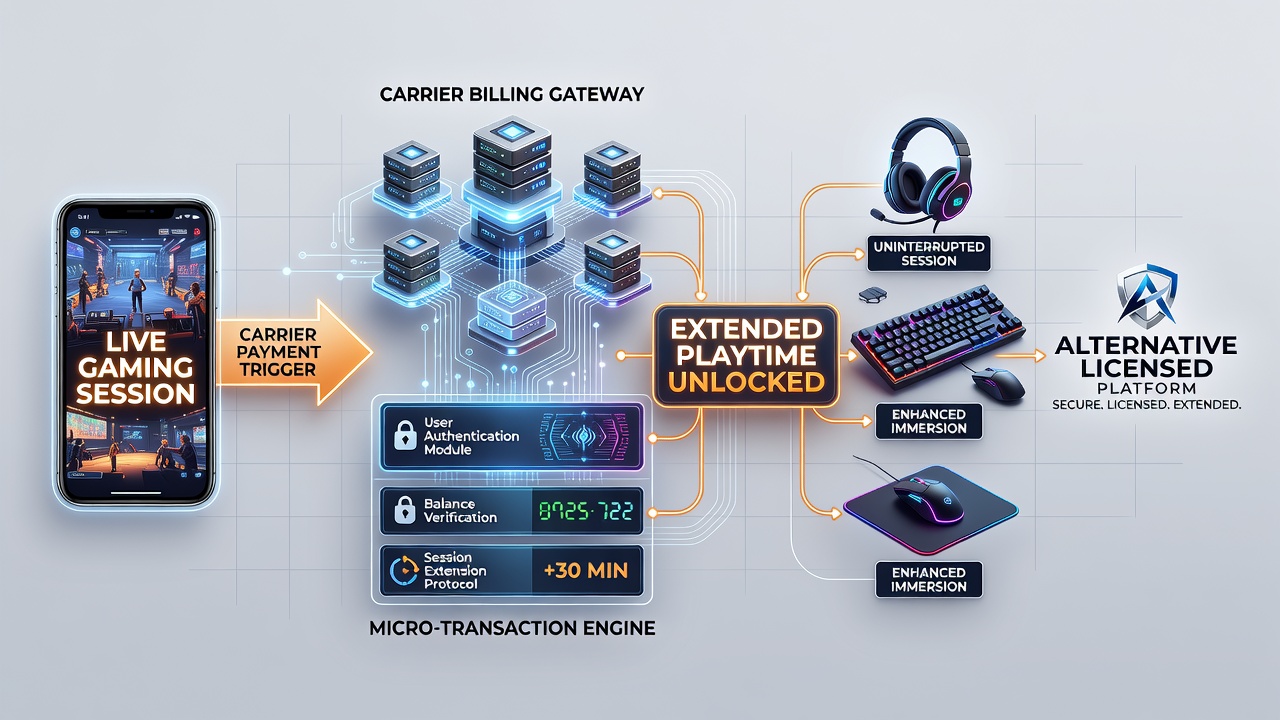
Alternative licensed sites often configure their software to recognize carrier-originated deposits as priority transactions, triggering immediate credit to the gaming wallet. This setup proves useful in high-volume periods such as July 2026, when seasonal tournaments increase traffic and demand faster funding cycles. Industry reports from the European Gaming and Betting Association highlight that carrier integration correlates with longer average session durations across multiple operator datasets.
Security Protocols and Carrier Agreements
Encryption standards mandated in carrier contracts include TLS 1.3 tunnels plus tokenization that masks actual phone numbers from the gaming platform itself. Carriers retain full control over fraud detection algorithms that flag unusual patterns, such as rapid successive deposits exceeding typical user thresholds. Data shared with regulators in regions like Australia demonstrates these layered checks reduce chargeback rates below industry averages for alternative payment rails.
Agreements between carriers and platforms specify revenue shares and settlement timelines, usually clearing within 24 hours after the billing cycle closes. Users receive itemized statements that separate gaming charges from standard mobile fees, providing transparent records that satisfy audit requirements in offshore licensing frameworks.
Comparative Performance Against Other Methods
Unlike e-wallets that require pre-funding steps, carrier billing activates on demand and supports higher velocity transactions during peak live events. Statistics compiled by the Canadian Gaming Association reveal mobile carrier options processing 30 percent more live table deposits per user than traditional cards in comparable offshore environments. Yet performance varies by region, since some carriers impose daily caps that platforms must accommodate through dynamic limit displays.
Platforms optimize their interfaces to display carrier availability alongside live stream feeds, letting participants select the method without leaving the table view. This integration reduces friction points that otherwise interrupt momentum in extended play sequences.
Conclusion
Carrier payment mechanics function through established API and billing partnerships that deliver real-time credits tailored to live gaming demands at alternative licensed sites. Evidence from multiple regulatory and industry sources shows these systems sustain longer sessions by streamlining authorization and settlement processes while maintaining security standards required across jurisdictions. Continued evolution in carrier agreements promises further refinements in transaction speed and transparency for participants worldwide.