2 Jul 2026
Decoding Regulatory Patterns Behind Phone Bill Funding for Premium Mobile Live Dealer Experiences
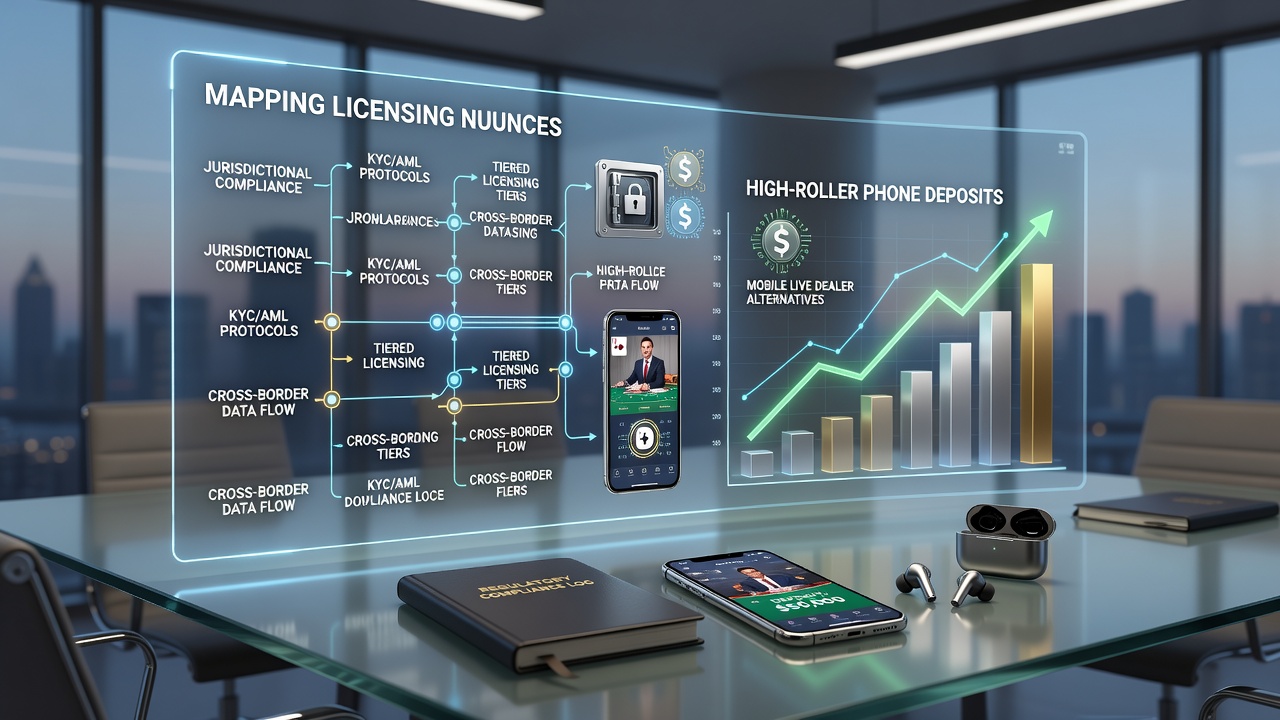
Regulatory environments shape how operators structure phone deposits for high-roller accounts in mobile live dealer formats, and these frameworks often determine eligibility for instant funding alongside elevated betting limits. Data from industry reports shows licensing jurisdictions apply distinct rules to payment channels, with some requiring explicit approval for carrier billing systems before platforms can offer them to premium users. Observers note that July 2026 brings additional compliance layers in several offshore regions where operators must align phone-based transactions with updated anti-money laundering protocols.
Those who examine licensing documents find that jurisdictions classify phone deposits differently based on transaction velocity and account verification standards. High-roller segments frequently trigger enhanced due diligence because carriers route payments through aggregated billing cycles, which regulators track for patterns that exceed standard thresholds. Research indicates operators in certain zones map these nuances directly to live dealer tables, where mobile sessions allow continuous play funded through SMS confirmations rather than traditional card rails.
Licensing Categories and Their Impact on Deposit Methods
Jurisdictions divide licenses into tiers that specify permitted payment instruments, and phone billing falls under categories that demand separate technical audits. Curacao-based authorities, for instance, require operators to demonstrate carrier partnerships before approving high-volume phone deposits for live dealer environments. In contrast, other licensing bodies in the Asia-Pacific region tie phone funding approvals to player segmentation rules that isolate high-roller activity from mass-market offerings.
Operators who secure multiple licenses across regions often maintain parallel platforms, each calibrated to local deposit restrictions. Studies from the Australian Gambling Research Centre reveal that cross-jurisdictional licensing creates varied pathways for instant payouts tied to phone deposits, particularly when live dealer streams operate on mobile-optimized interfaces. The mapping process involves aligning carrier API integrations wth license conditions that govern maximum single-transaction amounts.
High-Roller Specifications in Mobile Live Dealer Contexts
High-roller protocols within these platforms frequently incorporate phone deposits as a primary funding route because they bypass slower verification queues associated with bank transfers. Licensing conditions in select markets stipulate that such deposits must route through verified carrier accounts linked to the player's registered mobile number, which reduces fraud vectors while supporting elevated table limits. Data shows that live dealer alternatives benefit from this setup since sessions remain uninterrupted during funding cycles.
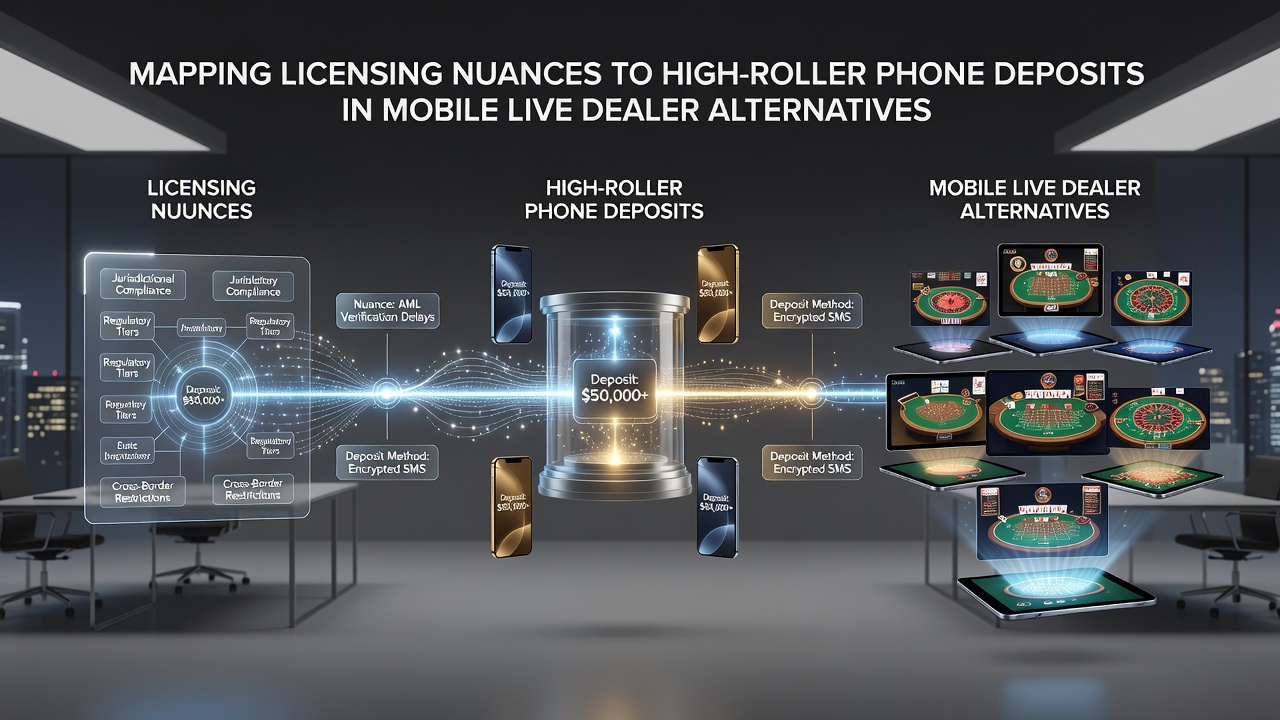
Platform developers integrate these features by mapping license clauses to backend systems that flag accounts exceeding deposit thresholds, prompting additional compliance checks. Experts observe that July 2026 updates in several licensing regimes emphasize real-time monitoring of phone-funded activity within live dealer modules, requiring operators to log session data alongside transaction records. Those who've analyzed compliance filings note that this approach allows regulators to trace high-roller patterns without disrupting mobile gameplay flows.
Technical Integration of Carrier Billing Under Varied Licenses
Carrier billing systems demand specific licensing endorsements because they aggregate multiple micro-transactions into single statements, which affects how platforms report player activity. Licensing bodies in North American and European jurisdictions apply different scrutiny levels to these integrations, with some requiring annual audits of API security protocols. Operators who navigate these requirements successfully enable seamless phone deposits for live dealer alternatives that feature roulette, blackjack, and baccarat tables optimized for handheld devices.
Research from university-led gaming studies indicates that successful mappings reduce latency between deposit confirmation and table access, a factor that supports continuous high-stakes engagement. The process involves embedding license-specific rules into payment gateways so that high-roller accounts receive priority routing while maintaining compliance with carrier data-sharing agreements.
Future Developments in Licensing Alignment
Regulatory trends point toward greater harmonization of phone deposit rules across licensing zones, particularly as mobile live dealer volumes increase. Authorities in various regions continue to refine guidelines that connect payment method approvals with player categorization, ensuring high-roller options remain distinct from standard offerings. Figures from trade associations highlight ongoing efforts to standardize reporting formats for phone-funded transactions in live environments.
Conclusion
Licensing nuances continue to guide how phone deposits integrate with high-roller mobile live dealer alternatives, creating structured pathways that operators follow to maintain compliance while delivering instant funding options. The alignment of regulatory conditions with technical payment systems shapes platform capabilities across multiple jurisdictions, and July 2026 marks further refinements in monitoring protocols. Those who track these developments see consistent patterns where licensing categories determine the scope of carrier billing availability for premium users.