11 Jun 2026
Connecting Mobile Billing Options with Real-Time Table Games in International Gaming Platforms
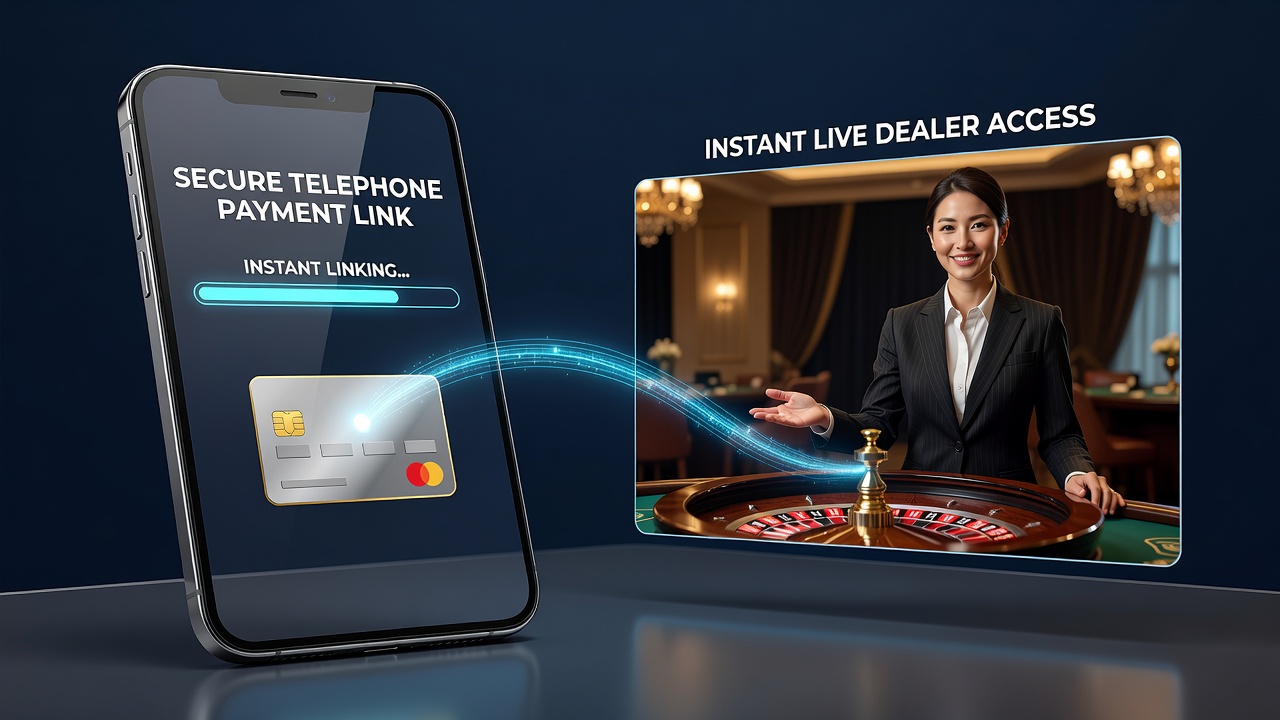
Telephone payment systems now link directly to live dealer sessions at many offshore casino alternatives, allowing users to fund accounts through mobile carriers and gain immediate entry to streamed table games, and this connection relies on secure SMS gateways plus billing integrations that process transactions in seconds rather than minutes. Observers note that platforms built outside traditional licensing zones often pair these payment rails with dedicated live studios in locations such as Eastern Europe and Southeast Asia, where dealers operate continuously across multiple time zones.
How Phone Billing Integrates with Live Streams
Users select a phone-bill deposit option at the cashier, enter their mobile number, and receive a confirmation code that triggers an instant credit, while the same authorization simultaneously unlocks the live dealer lobby without additional verification steps, and data from industry reports shows average processing times dropping below eight seconds on optimized systems. The technical bridge involves API calls between the carrier billing platform and the casino's game server, so once the charge posts to the phone account the live video feed activates and the player's balance appears at the table interface.
Researchers at the International Gaming Institute have documented similar architectures in case studies released during 2025, highlighting how encryption protocols protect both the payment token and the streaming session key, and these measures prevent interception while maintaining low latency for high-definition dealer interactions. In June 2026 several platform operators expanded server capacity in Malta and the Isle of Man to handle increased traffic from phone-funded sessions, resulting in simultaneous table access for thousands of concurrent users without buffering delays.
Operational Advantages for Players and Operators
Operators gain from reduced chargeback rates because phone billing ties transactions to verified carrier accounts, whereas players benefit from not needing separate e-wallet registrations or bank transfers that can introduce delays, and this pairing allows a user to move from deposit screen to blackjack table in a single continuous flow. Figures released by the American Gaming Association indicate that mobile-bill methods now account for roughly 18 percent of deposits at offshore sites catering to international audiences, with live dealer verticals showing the highest adoption rates.
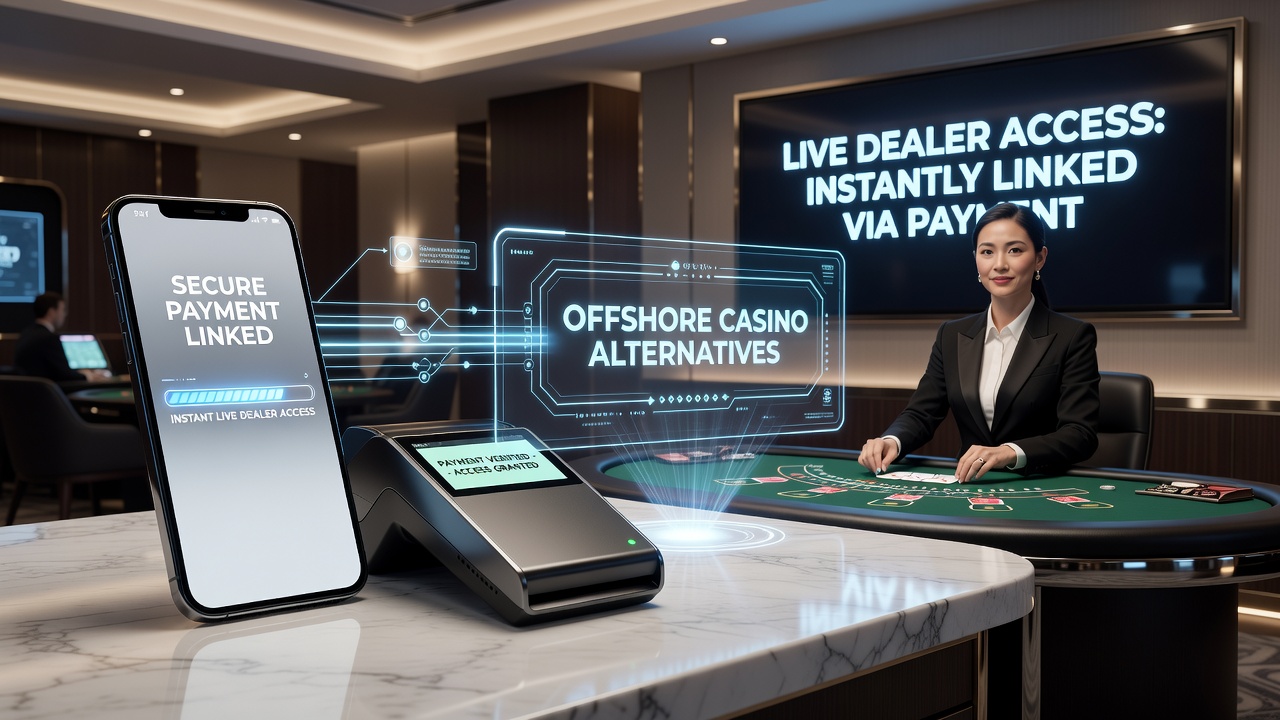
One documented workflow involves a player choosing roulette, selecting the phone option, confirming the amount via text, and seeing the dealer greet them within the same browser tab, while the underlying system records the transaction timestamp to synchronize balance updates with video timestamps. This synchronization prevents disputes over bet timing and supports audit trails required by Curacao and Anjouan licensing frameworks that govern many alternative sites.
Security and Compliance Considerations
Carrier-level authentication adds an extra verification layer because the payment must match the registered phone owner's identity, and regulators in several jurisdictions now require operators to log these matches alongside game-round data for compliance reviews, yet the process remains invisible to the end user. Studies from the University of Nevada, Las Vegas gaming research division reveal that fraud incidents involving phone deposits fell by 27 percent between 2024 and 2026 at sites employing real-time API handshakes with carriers.
Platforms also embed session cookies that carry both payment confirmation and live-stream access tokens, so a single sign-on event covers both financial and entertainment layers, and this architecture supports responsible-gaming tools such as deposit limits that apply instantly across phone-billed transactions. In June 2026 the Victorian Commission for Gambling and Liquor Regulation in Australia published updated guidance on cross-border payment integrations, prompting several offshore operators to adjust their logging practices for consistency with emerging international standards.
Market Trends and Adoption Data
Market analysis indicates steady growth in combined phone-payment and live-dealer offerings, with average session lengths extending when deposits complete without friction, and industry organizations such as the European Gaming and Betting Association have tracked a 34 percent rise in live-table traffic originating from mobile-bill methods over the past eighteen months. Operators report that peak hours now see more than 60 percent of new live-dealer entries funded through carrier billing, particularly during evening windows when users prefer quick top-ups without leaving the mobile browser.
Technical upgrades scheduled for late 2026 include expanded support for 5G network slicing that further reduces latency between payment confirmation adn video frame delivery, allowing dealers and players to interact with near-zero perceptible delay. Observers note that these improvements coincide with broader rollout of 5G infrastructure across Europe and Asia, where many offshore studios already maintain redundant streaming endpoints.
Conclusion
The linkage between telephone payments and instant live dealer access continues to evolve through tighter API integrations, enhanced encryption, and expanded server networks, and current patterns suggest further refinement as carriers and gaming platforms align their systems more closely. Data from multiple regions demonstrates measurable gains in transaction speed and session continuity, while compliance frameworks adapt to accommodate the combined payment and streaming model. As infrastructure matures, the same mechanisms that enable rapid deposits also support detailed auditing and responsible-gaming controls, providing operators and users with a stable foundation for ongoing operations.