British Casinos Riding High: Fresh Waves in Betting Trends and Headlines
9 Apr 2026
UK Gambling Commission Refreshes AML Guidance for Casinos Handling Money Services Amid Rising Compliance Demands

The Latest Move from Regulators
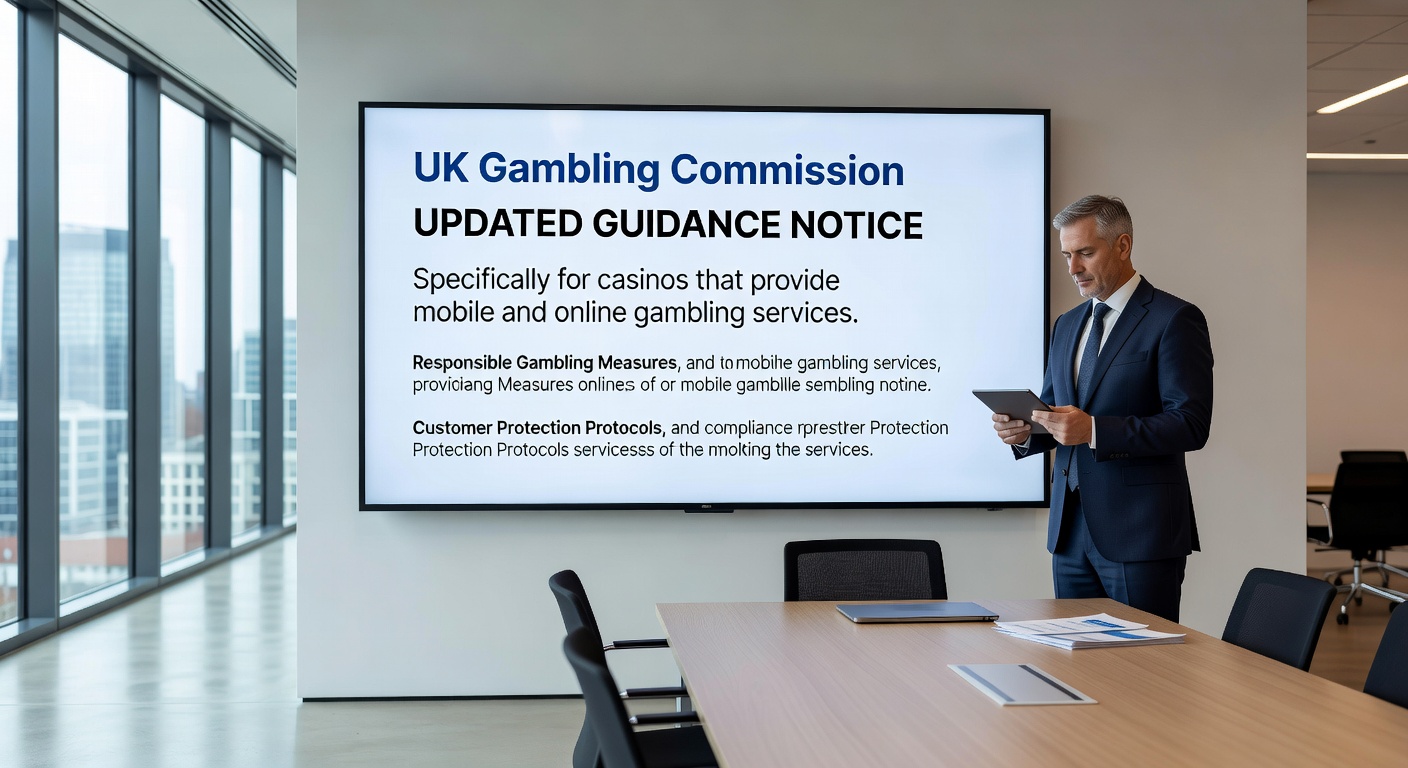
Non-remote casino operators across the UK now face clearer directives on anti-money laundering measures, thanks to an updated notice from the UK Gambling Commission released on 26 March 2026; this guidance specifically targets those offering money service business activities like currency exchange or money transmission services, ensuring they align tightly with broader MSB regulations while operators scramble to adapt in the weeks following, especially as April 2026 brings the first full month of implementation scrutiny.
What's interesting here is how this update sharpens focus on a niche but critical area of casino operations; those who've studied the sector note that land-based venues have long provided these financial services to high-rollers exchanging foreign currencies or wiring funds, yet evolving threats from illicit finance prompted regulators to revisit the rules, making compliance not just a checkbox but a frontline defense.
And while the notice builds on existing frameworks, it introduces refined steps for operators to follow, from risk assessments to record-keeping, all aimed at preventing casinos from becoming unwitting conduits for dirty money; experts observing the gambling landscape point out that such updates come at a time when global AML enforcement intensifies, with UK authorities ramping up audits in early 2026.
Unpacking Money Service Businesses in Casinos
Casinos offering MSB activities essentially step into the realm of financial services providers; currency exchange lets patrons swap euros for pounds right at the cage, while money transmission handles transfers to offshore accounts or family back home, services that convenience players but also attract scrutiny because data from regulatory reports shows MSBs have historically been vulnerable to exploitation by criminal networks seeking to layer funds.
Take one case where observers documented how unchecked exchanges at European casinos funneled millions in illicit proceeds; UK regulators, drawing from such lessons, now mandate that non-remote operators treat these services under the same stringent AML lens as their gaming floors, requiring customer due diligence, transaction monitoring, and suspicious activity reporting without exception.
But here's the thing: not all casinos provide these extras; the update hones in on those that do, primarily larger venues in London, Manchester, and Birmingham where international clientele dominates, and figures reveal that about 40% of physical casinos engage in some form of MSB, per industry analyses from late 2025, pushing operators to either bolster controls or potentially wind down the offerings if costs outweigh benefits.
Key Elements of the Updated Notice
The guidance spells out practical obligations in straightforward terms; operators must conduct enhanced due diligence on MSB customers, particularly high-value transactions exceeding certain thresholds, while integrating these checks seamlessly with their core gambling AML programs to avoid silos that criminals could exploit.
Seminars and workshops kicked off in April 2026 to unpack the details, with legal firms reporting brisk attendance from compliance officers eager to decode nuances like ongoing monitoring for politically exposed persons or unusual patterns such as rapid in-and-out exchanges; researchers who've pored over the document highlight new emphases on staff training, technology for real-time flagging, and timely notifications to the Commission about MSB expansions or changes.
Yet compliance timelines tighten too; casinos now have defined windows to register MSB activities with relevant bodies like the Financial Conduct Authority if not already done, ensuring a unified regulatory umbrella, and that's where the rubber meets the road for operators balancing customer service with legal imperatives.
Impacts Rippling Through the Casino Sector
Non-remote operators feel the pinch most directly; smaller independents worry about resource strains from beefed-up verification processes, whereas chains like those in the Genting or Rank Group portfolios leverage existing systems to pivot quickly, with early April 2026 filings already showing a uptick in MSB compliance declarations.
People in the industry often find that such rules reshape the floor dynamic; patrons expecting swift exchanges might face ID checks or source-of-funds queries, potentially slowing service during peak hours, although studies from similar EU updates indicate adaptation happens within months as tech solutions like biometric kiosks emerge.
Now, broader effects touch suppliers too; software providers rush out AML-MSB integrated tools, and auditors report a surge in consultancy gigs, while the writing's on the wall for non-compliant venues facing fines up to 10% of turnover, as seen in prior enforcement actions detailed in Commission annuals.
One operator shared in trade forums how they've ring-fenced MSB desks with dedicated monitors, a move echoed by others navigating the update's call for segregated risk management, ensuring gaming doesn't bleed into financial vulnerabilities.
Why This Matters in the Bigger Picture
Regulators didn't drop this notice in a vacuum; UK AML fines hit record highs in 2025, with gambling firms accounting for a chunk due to lax controls, and data indicates MSB loopholes contributed to several high-profile cases where laundered funds cycled through casino cages before vanishing offshore.
Turns out, aligning casino MSBs with national standards plugs those gaps; the update dovetails with Proceeds of Crime Act requirements and FATF recommendations, positioning the UK as a tougher jurisdiction for illicit flows, especially as April 2026 spot-checks loom for licensees.
Experts who've tracked these evolutions note how past notices evolved iteratively; this 2026 refresh incorporates feedback from 2024 consultations, refining language on high-risk jurisdictions and crypto-adjacent transmissions, even though pure crypto remains outside traditional MSB scope for now.
And for players? Transparency rises subtly; legitimate patrons benefit from safer environments, while bad actors find doors closing, a balance that studies confirm bolsters public trust in land-based gambling amid online shifts.
Looking at Implementation Challenges
April 2026 brings the real test; operators roll out training cascades, with some venues piloting AI-driven anomaly detection tied to MSB logs, and initial reports suggest smooth uptake in urban hubs but hiccups in regional spots where staff turnover bites.
There's this case from a Midlands casino where early adoption of the guidance nipped a suspicious chain of exchanges, averting a reportable incident; such anecdotes, shared in compliance networks, underscore how proactive steps turn regulation into advantage.
But challenges persist, like harmonizing with FCA MSB registration if services scale up, or handling peak-season volumes without frustrating VIPs who value discretion; those who've implemented similar regimes elsewhere, say in Australia, often discover that clear internal policies and board-level buy-in make all the difference.
Conclusion
This updated notice from the UK Gambling Commission on 26 March 2026 marks a pivotal clarification for non-remote casinos venturing into MSB territories; by mandating robust AML integration for currency exchange and money transmission, regulators fortify defenses against laundering risks, compelling operators to evolve swiftly as April 2026 audits approach.
Observers anticipate fewer breaches long-term, with the sector's resilience shining through adaptation; land-based casinos, cornerstones of UK entertainment, now operate under even tighter safeguards, ensuring financial services complement rather than compromise their core mission, and that's a development worth watching as compliance matures.