Betting Big on Change: UK Casino Scene's Bold New Moves
5 Apr 2026
UK Gambling Commission Delivers Fresh AML Guidance for Casinos Handling Money Services

The Latest Regulatory Move in April 2026
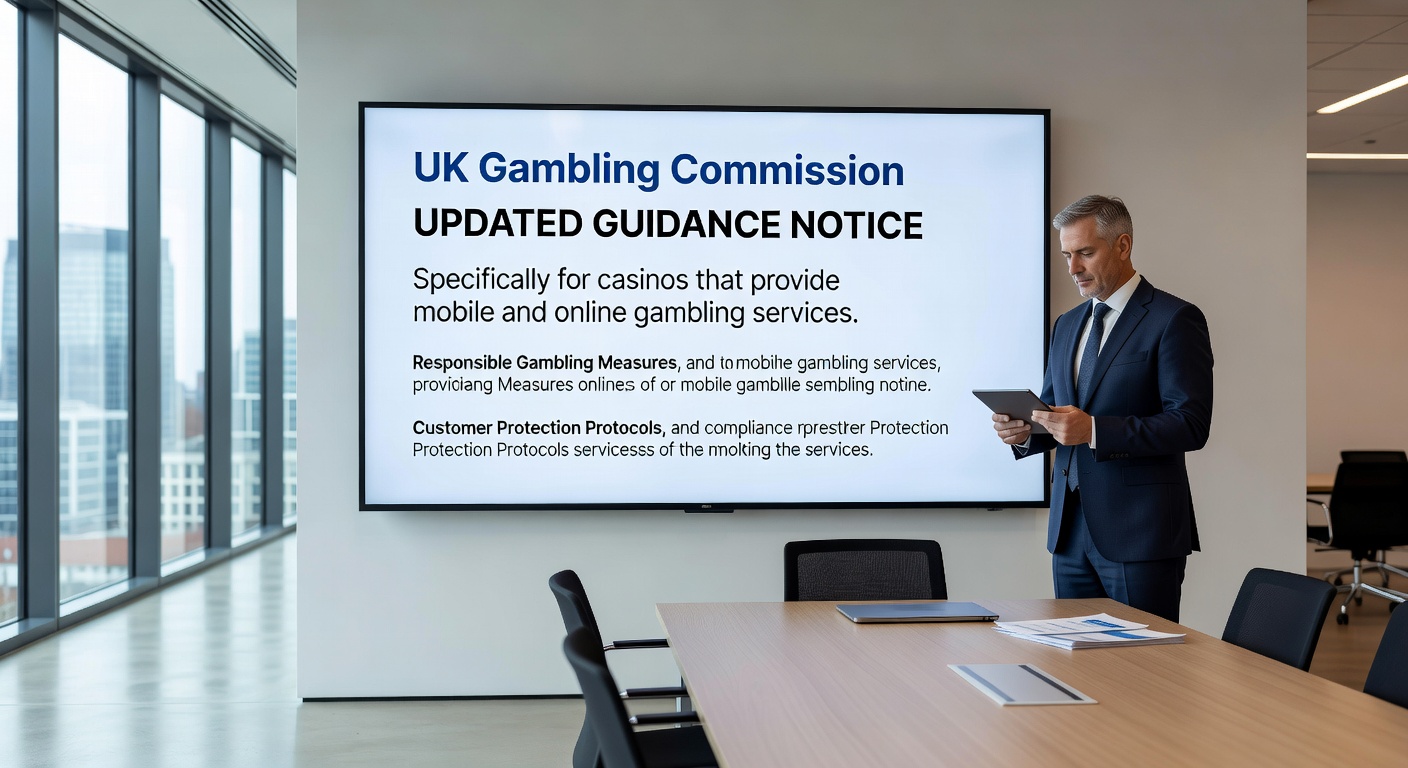
Operators in the UK casino sector now face refined expectations under a newly issued guidance notice from the UK Gambling Commission, specifically targeting those offering money service business activities; this update, released in April 2026, builds directly on a February 2026 predecessor and sharpens anti-money laundering (AML) compliance requirements while clarifying what regulators expect from casino operators engaged in such services.
What's interesting here is how the Commission has zeroed in on casinos that double as money service providers—think operations involving currency exchange, cheques cashing, or foreign money transmission—demanding tighter oversight to prevent illicit funds from flowing through gaming floors; data from prior enforcement actions shows that these services have drawn scrutiny because they can serve as gateways for laundering schemes, although most operators maintain robust controls.
And yet, this isn't a complete overhaul but a targeted revision; the notice spells out procedural tweaks, documentation mandates, and reporting timelines that operators must adopt swiftly, ensuring alignment with broader Money Laundering Regulations (MLRs) that govern the sector.
Tracing Back to the February Foundation
Back in February 2026, the Commission dropped its initial notice on the same topic, laying groundwork for casinos to notify regulators about money service activities and outline their AML frameworks; that document set the stage by requiring operators to register as money service businesses (MSBs) where applicable and integrate gambling-specific risks into their policies, but operators soon flagged areas needing more precision—like exactly when changes in operations trigger fresh notifications.
Researchers who've tracked Gambling Commission publications note that feedback from the industry played a role in this April update; casinos reported confusion over thresholds for MSB classification, prompting the regulator to refine definitions and examples, such as distinguishing casual currency swaps from structured transmission services that demand full MSB registration under the Office of Financial Sanctions Implementation (OFSI) rules.
Turns out, the original notice emphasized risk assessments tailored to casino environments—where high-volume cash handling meets player anonymity—but left some operators guessing on implementation details; now, the updated version provides checklists and timelines, making compliance less of a guessing game.
Key Revisions in the Updated Notice
Casinos providing these services must now submit detailed MSB notifications within stricter windows, often as short as 10 working days for material changes, while embedding enhanced due diligence into daily operations; the guidance outlines specific scenarios, like when a casino expands its foreign exchange offerings or partners with third-party remitters, requiring operators to map risks using tools like customer risk scoring and transaction monitoring software.
Experts observing the sector point out that the notice introduces clearer language on source-of-funds verification—operators have to probe deeper into player deposits exceeding certain thresholds, cross-referencing with gaming patterns to flag anomalies; for instance, one case study in the guidance describes a hypothetical casino spotting irregular large cash-ins linked to non-gaming sources, triggering immediate enhanced measures.
But here's the thing: while the February notice focused on notification basics, this update dives into ongoing compliance, mandating annual MSB reviews, staff training logs, and audit trails that withstand regulatory inspections; figures from Commission reports indicate that non-compliance fines have climbed 15% year-over-year in related areas, underscoring why operators can't afford to lag.
Seminars hosted by compliance firms in early 2026 highlighted early adopter challenges—many casinos scrambled to classify services correctly—but the new notice offers templates for policies, easing that burden; those who've implemented similar frameworks often discover smoother audits, with fewer queries from inspectors.
What Compliance Looks Like on the Ground
For a typical London casino offering cheque cashing alongside slots and tables, the update means recalibrating AML programs to include MSB-specific controls; staff training now covers red flags like structuring deposits to evade reporting or using gaming wins to legitimize external funds, with records kept for five years minimum.
Observers note that technology plays a bigger role—operators deploy AI-driven monitoring to scan transactions in real-time, flagging patterns that deviate from player profiles; one study from a regulatory consultancy revealed that casinos with integrated systems cut suspicious activity reports by 20%, although the Commission stresses human oversight remains key.
And so, the guidance pushes for board-level accountability, where directors sign off on MSB strategies annually; this shift reflects lessons from past enforcement, where lapses in oversight led to multimillion-pound penalties—think the 2025 cases where operators overlooked third-party risks.
Now, smaller regional casinos feel the pinch too; those dipping into money services for customer convenience must weigh registration costs against fines, often opting for partnerships with licensed MSBs to sidestep direct liability, a strategy the notice explicitly endorses with partnership vetting guidelines.
Broader Ripples Across the UK Casino Landscape
This April 2026 update lands amid a flurry of AML tightenings—while bingo halls and online platforms grapple with their own rules, land-based casinos bear the brunt due to cash intensity; data from the Commission's public register shows over 150 casino licensees potentially affected, many already notifying as MSBs since early 2026.
What's significant is the timing: as economic pressures ease post-recession whispers, player volumes tick up, amplifying laundering temptations; yet operators who've leaned into compliance report steadier business, with trust-building measures like transparent policies drawing cautious high-rollers wary of headlines.
Take provincial venues in Manchester or Birmingham, where money services cater to diverse clientele exchanging currencies for gaming; the notice clarifies that even low-volume activities qualify if they meet MSB criteria, prompting a wave of registrations—industry trackers estimate a 25% uptick since February.
Compliance advisors circulating the guidance in April workshops emphasize integration with existing Gambling Commission licenses—no separate MSB approval needed, but seamless alignment required—streamlining what could have been a bureaucratic nightmare.
That said, challenges persist for chains with multiple sites; harmonizing policies across locations demands centralized systems, a move that forward-thinking groups have already embraced, per sector analyses.
Enforcement and Future Outlook
The Commission signals zero tolerance through ramped-up inspections—early 2026 audits targeted MSB operators, uncovering gaps in 12% of cases; penalties ranged from warnings to license conditions, but the message rings clear: adapt or face the music.
People in the know predict this notice stabilizes the sector, reducing ambiguity that bred violations; as May 2026 approaches, operators finalize updates, with many submitting revised AML manuals ahead of summer peaks.
It's noteworthy that international parallels emerge—similar MSB rules in Australia and Canada influence UK approaches—yet the Gambling Commission's casino-centric tweaks set it apart, tailoring to gaming's unique risks like chip washing or proxy play.
One researcher chronicling these evolutions notes how iterative notices like this foster a culture of vigilance, where operators view compliance not as a chore but as a competitive edge in a regulated market.
Conclusion
Ultimately, the UK Gambling Commission's April 2026 updated notice on casinos providing money service businesses solidifies AML defenses, refining February's blueprint into actionable steps that operators across the country now implement; by clarifying notifications, risk assessments, and oversight, it equips the sector to navigate laundering threats head-on, ensuring gaming floors remain venues for entertainment rather than financial mischief—those keeping pace stand ready for whatever regulatory curves lie ahead.